

 Daisy E. Wilkins
 BitcoinWorld
G7 Leaders Unite Against North Korea’s Crypto Theft and Nuclear Threats
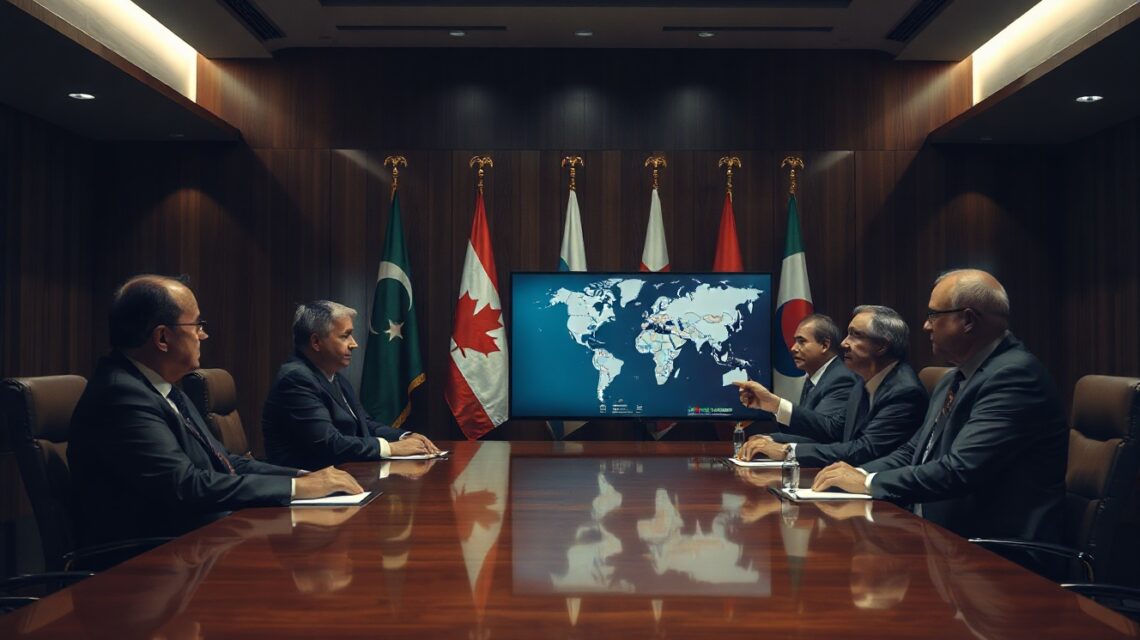
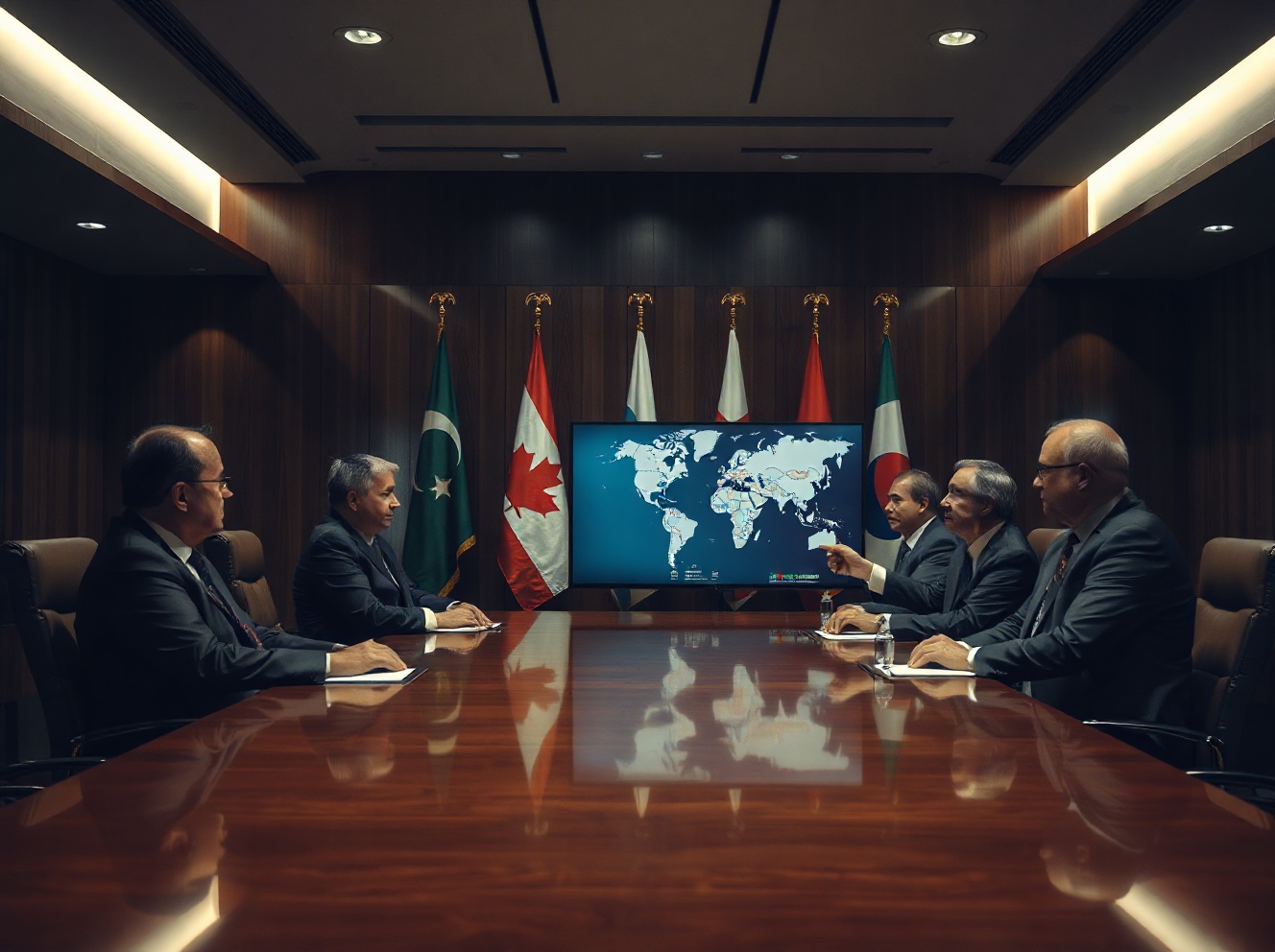
Leaders of the Group of Seven (G7) have formally called for a coordinated international response to North Korea’s escalating cryptocurrency theft and broader cybercriminal activities. The statement, issued following a high-level discussion on geopolitical risks, underscores growing concern that digital asset heists are directly funding Pyongyang’s weapons programs.
Why the G7 Is Acting Now
North Korea has increasingly turned to cybercrime—particularly the theft of cryptocurrency from exchanges and decentralized finance platforms—as a primary revenue source. According to publicly available data from blockchain analytics firms, North Korean-linked hacking groups, such as Lazarus Group, have stolen billions of dollars in digital assets over the past several years. The G7’s latest statement explicitly links these illicit financial flows to the regime’s nuclear and ballistic missile ambitions, which remain in direct violation of multiple United Nations Security Council resolutions.
The leaders reiterated their unwavering commitment to the complete, verifiable, and irreversible denuclearization of the Korean Peninsula. They also expressed deep concern over the frequency and sophistication of North Korea’s cyber operations, which have targeted financial institutions, crypto exchanges, and even individual investors globally.
What a Joint Response Could Look Like
While the G7 statement did not outline specific new measures, it signals a unified political will to impose stricter sanctions, enhance information sharing among member states, and potentially coordinate with private sector entities to trace and freeze stolen crypto assets. Experts suggest that a joint response could include:
- Expanded sanctions on North Korean entities and individuals involved in cyber operations
- Stronger regulatory frameworks for cryptocurrency exchanges to detect and report suspicious transactions
- Increased funding for cybersecurity defenses in critical financial infrastructure
- Closer collaboration with blockchain analytics firms to track stolen funds
Broader Implications for the Crypto Industry
This development comes at a time when the cryptocurrency industry is already under intense regulatory scrutiny worldwide. The G7’s focus on North Korea’s crypto theft could accelerate global efforts to implement stricter anti-money laundering (AML) and know-your-customer (KYC) requirements for digital asset platforms. For investors and businesses operating in the crypto space, this may mean greater compliance burdens but also potentially enhanced security and legitimacy in the long term.
Conclusion
The G7’s call for a joint response to North Korea’s cryptocurrency theft marks a significant escalation in how world leaders view the intersection of digital finance and national security. By directly tying cybercrime to nuclear proliferation, the G7 is signaling that the era of lax oversight over crypto transactions may be coming to an end. The coming months will likely see concrete policy proposals aimed at disrupting North Korea’s illicit financial networks, with far-reaching consequences for the global crypto ecosystem.
FAQs
Q1: Why is North Korea stealing cryptocurrency?
North Korea uses stolen cryptocurrency to bypass international sanctions and fund its nuclear and ballistic missile programs. Cyber theft has become a major revenue source for the regime.
Q2: Which North Korean hacking groups are involved?
The most well-known group is Lazarus Group, which has been linked to numerous high-profile crypto heists, including the 2022 Axie Infinity hack worth over $600 million.
Q3: How might the G7 response affect crypto investors?
Investors may face stricter regulations on exchanges, including enhanced identity verification and transaction monitoring. However, these measures could also reduce the risk of hacks and improve overall market integrity.
This post G7 Leaders Unite Against North Korea’s Crypto Theft and Nuclear Threats first appeared on BitcoinWorld.
